
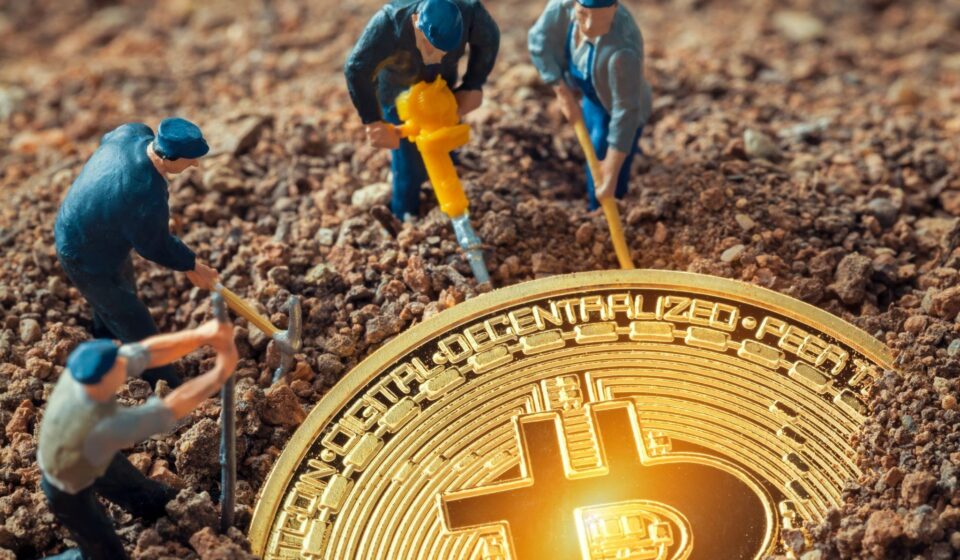

There was a time when people mined Bitcoin on simple laptops. Those days are gone. Today, when someone says they want to mine bitcoins, they’re usually chasing a mix of curiosity, income, and independence. I’ve seen both sides. The excitement at the start. And the confusion after reality hits.
If you’re here, you’re probably asking a simple question. Is it still worth it in 2026? And more importantly, what does it really cost? Let’s break it down in a way that actually helps you decide.
What Does It Really Mean to Mine Bitcoins Today?
Mining is no longer a hobby you casually try on your PC. It’s a full-scale process. You’re solving complex cryptographic puzzles. In return, you earn Bitcoin rewards. But here’s the part most blogs skip. You’re competing with massive industrial farms. These setups run thousands of machines day and night. So your strategy needs to be realistic.
Back in the early days, people mined with CPUs. Then GPUs took over. Now, ASIC miners dominate. These machines are built for one job only. Mining Bitcoin. If you try to mine using a normal computer today, you’ll likely earn nothing. And your electricity bill will still show up.
The Average Cost to Mine One Bitcoin in 2026
This is where things get serious. The average cost to mine one bitcoin 2026 depends on three main things. Electricity cost. Hardware efficiency. Mining difficulty.
In 2026, estimates suggest it can cost anywhere between $30,000 to $90,000 to mine one Bitcoin. That’s a wide range. Let me explain why.
In countries with cheap electricity, miners pay far less. In places with high energy rates, costs shoot up quickly. Pakistan falls somewhere in the middle. That means your margins are tight.
A friend of mine tried mining with a small setup last year. He thought he’d recover costs in six months. It took him over a year. And that was with careful planning.
Mining is not passive income. It’s active management.
Choosing the Right Hardware Without Wasting Money
You’ll hear about popular ASIC miners like Antminer or WhatsMiner. These machines are powerful. But they’re also expensive.
The key is efficiency. Hash rate per watt matters more than raw power.
Some beginners look into tools like the nerdqaxe bitcoin solo miner. It sounds appealing. Especially for solo mining enthusiasts. But here’s the truth. Solo mining today is like buying a lottery ticket. You might win. But the odds are extremely low. If you’re serious, joining a mining pool is smarter. It gives you consistent, smaller rewards instead of waiting forever.
Electricity: The Hidden Cost That Breaks Most Beginners
Most people underestimate electricity. That’s where things go wrong. A mining machine runs 24/7. It consumes heavy power. Your monthly bill can shock you if you don’t calculate properly.
Let’s say your miner uses 3000 watts. That’s 3 kW. Run it non-stop, and you’re using around 72 kWh per day. Now multiply that by your local rate.
This is why large mining farms operate in regions with ultra-cheap energy. Hydropower. Wind. Even flare gas in some cases. If your electricity isn’t cheap, your profit disappears quickly.
Can You Mine Bitcoins on Your Phone?
Short answer. No. You might see guides about how to mine bitcoins on your phone or apps claiming free mining. They’re misleading.
Phones don’t have the power. And even if they try, the battery and hardware degrade fast. Some apps simulate mining. Others reward tiny fractions through ads or tasks. But that’s not real mining.
So if you’re searching for mine bitcoins on phone, you’re better off skipping it.
Is There Any Way to Mine Free Bitcoins?
Let’s be honest. Nothing valuable comes free at scale. You’ll find content about how to mine free bitcoins or how to mine bitcoins free. Most of it falls into two categories.
Either it’s a faucet system where you earn tiny amounts over time. Or it’s a scam. Real mining always has a cost. Hardware. Electricity. Time.
Even cloud mining platforms require investment. And many of them fail or disappear. If something promises free Bitcoin mining with big returns, step back. That’s a red flag.
Fastest Way to Mine Bitcoins in 2026
The fastest way to mine bitcoins is not about speed alone. It’s about optimization.
You need efficient hardware. Low electricity cost. And a reliable mining pool. Large miners use advanced cooling systems. Some use immersion cooling where machines run in special liquids. This improves efficiency and lifespan.
You don’t need to go that extreme. But you do need a proper setup. Ventilation matters. Heat control matters. Downtime kills profits. I’ve seen setups fail because of overheating. Not because of bad hardware.
Mining Pools vs Solo Mining: What Actually Works
This decision matters more than most people think.
Solo mining sounds exciting. You keep the full reward if you solve a block. But realistically, it can take years. Even decades. Mining pools combine resources. You contribute your hash power. And you earn based on your share.
For beginners, pools are the practical choice. They provide steady income instead of unpredictable jackpots. Some well-known pools have transparent payout systems. That’s where trust matters. Always research before joining.
Real-Life Scenario: A Small Miner’s Journey
Let me tell you something real. A student I worked with wanted to start mining. He had savings and a strong interest in crypto. He bought one ASIC miner.
At first, he ignored electricity cost. His earnings looked good on paper. But his monthly bill ate most of the profit.
Then he adjusted his setup. He moved to a location with cheaper power. Joined a reliable mining pool. Optimized cooling.
After that, things improved. He didn’t get rich. But he built a stable system. And more importantly, he understood the process deeply. That’s the difference between hype and reality.
Risks You Need to Accept Before You Start
Mining is not guaranteed profit. Prices change. Difficulty increases. Regulations shift. Bitcoin price drops can hurt badly. Especially if your cost is high.
Hardware also loses value over time. New models come out. Efficiency improves. Your machine becomes outdated. You need to think long term. Not just immediate gains.
Smarter Alternatives to Mining
This is something many experts now suggest. Instead of mining, some people simply buy Bitcoin. Others invest in mining companies. Some explore staking in other cryptocurrencies.
Mining is capital intensive. If you’re starting small, buying and holding might be more practical. But if you enjoy the technical side and want control, mining still has value. It’s about your goal.
Long-Term Outlook: Is Mining Still Worth It?
Bitcoin mining isn’t dying. It’s evolving. Large players dominate the space. But smaller miners still exist. They survive by being efficient and strategic.
In 2026, the margin for error is small. You can’t afford mistakes.
If you treat mining like a serious business, it can work. If you treat it like a quick side hustle, it usually fails.
Final Thoughts: Should You Mine Bitcoins Right Now?
Take a pause and think. Do you have access to low-cost electricity? Are you ready for upfront investment? Can you manage technical setup and maintenance? If yes, mining can be a rewarding journey. Not just financially, but in learning and control. If not, there are easier ways to enter crypto. The key is honesty with yourself.