

You’ve probably heard about Bitcoin everywhere. News. Friends. Social media. Even random WhatsApp groups. It sounds exciting. It also feels confusing. This guide is written like a real conversation. No complex jargon. No hype. Just straight facts, real examples, and a bit of honesty about risks and rewards.
What Is Bitcoin?
Bitcoin is a digital currency. It lives online. You can’t touch it like cash. You don’t store it in your wallet. It exists on the internet. But here’s what makes it different.
No bank controls it. No government runs it. It works on a system called blockchain. That’s just a public record where every transaction is saved. Think of it like a shared notebook. Everyone can see it. No one can secretly change it.
Bitcoin was created in 2009. The creator used the name Satoshi Nakamoto. Nobody knows who that really is.
Why Was Bitcoin Created?
To understand Bitcoin, you need to look at the problem first. Traditional money depends on banks. Banks can freeze accounts. Governments can print more money. Inflation eats value slowly. Bitcoin was designed to fix that. It gives people control over their money. No middleman. No delays. No hidden rules.
A Real-Life Example
Imagine sending money from London to the USA. With banks, it can take days. Fees are high. Paperwork is annoying.
With Bitcoin, you can send it in minutes. No bank approval needed. That’s the core idea.
How Does Bitcoin Actually Work?
Bitcoin runs on a network of computers. These computers verify transactions. This process is called mining. When someone sends Bitcoin, the network checks if it’s valid. Once verified, it gets added to the blockchain. No cheating. No double spending.
What Is Mining?
Mining sounds complicated. It’s not, at a basic level. Miners solve complex math problems. When they solve one, they confirm transactions. As a reward, they get Bitcoin. That’s how new Bitcoin enters the system.
What Makes Bitcoin Valuable?
This is the big question. Why does Bitcoin have value if it’s digital? The answer is simple. Demand and supply. Only 21 million Bitcoin will ever exist. That’s fixed. Compare that to regular money. Governments can print more anytime. Scarcity creates value.
Psychology Behind Bitcoin
People trust Bitcoin because it’s limited. That creates urgency. When demand increases, price goes up. When fear spreads, price drops. That’s why you hear about bitcoin drops so often.
Bitcoin Price and Volatility
Bitcoin prices move fast. Really fast. One day it’s up. Next day it crashes. That scares new users. And honestly, it should.
Example of Price Movement
At one point, Bitcoin crossed $60,000. Later, it dropped sharply. Even today, people search things like 25 bitcoin to usd just to track value changes. This volatility is normal in crypto.
How Do People Use Bitcoin?
Bitcoin is not just for trading. People use it in real life too. Some use it to send money abroad. Others hold it as an investment. Some businesses accept it as payment.
Everyday Use Case
A freelancer in Pakistan gets paid in Bitcoin. No bank delays. No currency conversion issues. That’s a real benefit.
How to Send Bitcoin on Cash App
Many beginners ask this. How to send bitcoin on cash app?
Here’s the basic idea. You open Cash App. Go to Bitcoin section. Enter amount. Add recipient address. Confirm. That’s it.
But always double-check the address. One mistake means money is gone forever. No refunds here.
Is Bitcoin Safe?
This depends on you. Bitcoin itself is secure. The system is strong. It has never been hacked. But users make mistakes.
Common Risks
People lose passwords. They fall for scams. They send money to wrong addresses. That’s where problems happen.
Simple Safety Tips
Use trusted wallets. Never share your private keys. Avoid unknown links. Stay alert.
Bitcoin Wallets Explained
You need a wallet to store Bitcoin. It’s not like a physical wallet. It’s software. There are two main types. Hot wallets stay online. Easy to use. Slightly less secure. Cold wallets stay offline. Much safer. Used for long-term storage.
Bitcoin as an Investment
Many people buy Bitcoin hoping the price will rise. Sometimes it works. Sometimes it doesn’t.
Real Talk
Bitcoin is not a guaranteed profit. It can go up fast. It can fall just as quickly. You need patience. And strong nerves.
Cost Considerations
Buying Bitcoin involves costs. There are transaction fees. Exchange fees. Withdrawal charges. These are usually small. But they add up. Also, price swings can affect your value instantly.
User Behavior and Mistakes
New users often rush in. They see hype. They buy at high prices. Then panic when it drops. That’s a common pattern.
Better Approach
Start small. Learn first. Then invest slowly. Avoid emotional decisions.
Long-Term Outlook
Bitcoin has survived many crashes. Each time, it recovered stronger. Some believe it will replace traditional money. Others think it’s just a bubble. Truth is somewhere in between.
Realistic Expectation
Bitcoin is here to stay. But it will keep changing. Regulations may come. Technology will evolve. You need to stay updated.
Bitcoin in Daily Life
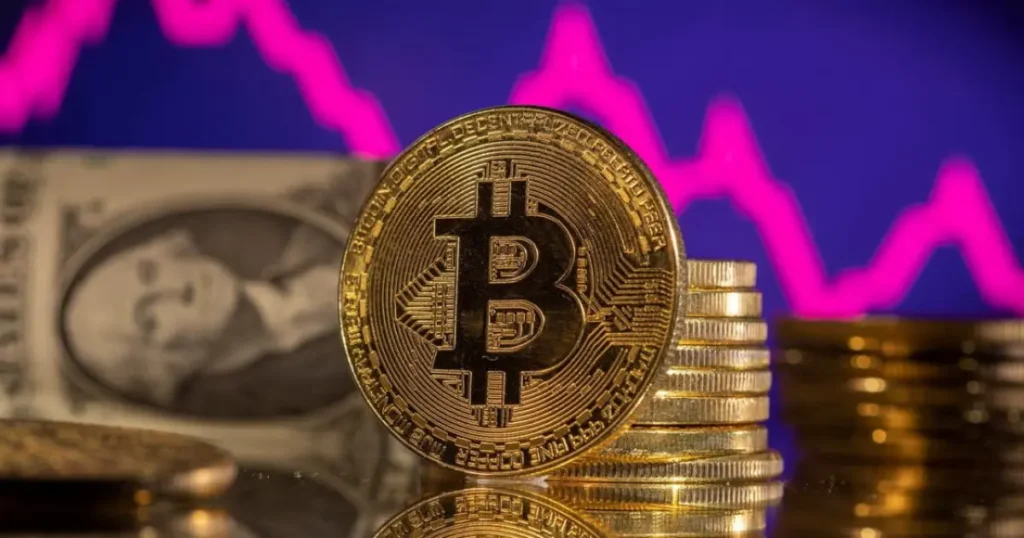
Even small things reflect its popularity. People search for bitcoin wallpaper. They follow price charts daily. It’s not just a currency anymore. It’s part of digital culture.
When Should You Consider Bitcoin?
Timing matters. If you’re struggling financially, avoid risky investments. If you have extra funds and patience, then explore it.
Signs You’re Ready
You understand basic risks. You can handle losses. You’re thinking long term. Then you can consider Bitcoin.
Final Thoughts
Bitcoin is simple at its core. But people complicate it. It’s just digital money. Controlled by no one. Used by millions.
It offers freedom. But also responsibility. If you take time to learn, you can benefit from it. If you rush blindly, you may lose money. Take it slow. Stay informed. Think clearly.